
Custom screen printed T-shirt manufacturing
Fabrion is a factory-direct custom screen printed T-shirt manufacturer based in Thailand, producing screen printed T-shirts for brands, organizations, and private label orders.
Manufacturing scope and product overview
Custom screen printed T-shirt manufacturing combines garment production and screen printing into one controlled bulk process. Final product quality depends on the shirt base, fabric surface, fit, print method, curing accuracy, and how consistently those specifications are maintained across the full order.
At Fabrion, we manufacture custom screen printed T-shirts in Thailand for OEM, ODM, and private label orders. We produce for brands, events, teams, and organizations that need durable printed graphics, stable sizing, and consistent bulk quality, with production planned around approved fabrics, fit standards, print placements, branding details, and repeatable output.
Materials and fabric options
Fabric selection plays a major role in how a screen printed T-shirt looks, feels, and performs. Fabric composition, surface smoothness, weight, and finishing all affect print clarity, hand feel, opacity, and wash durability, so the shirt base should always be selected together with the print specification.
Most screen printed T-shirts are manufactured in cotton jersey, combed cotton, or cotton-poly blends, depending on the required hand feel, garment standard, and end use. Cotton is often preferred for its familiar feel and reliable print surface, while combed cotton can provide a softer finish and a cleaner base for printing.

Cotton-poly blends are also widely used when a softer retail hand feel or a different fabric specification is required, but they require correct ink selection, curing control, and print testing to maintain consistent results.
Branding and private labeling
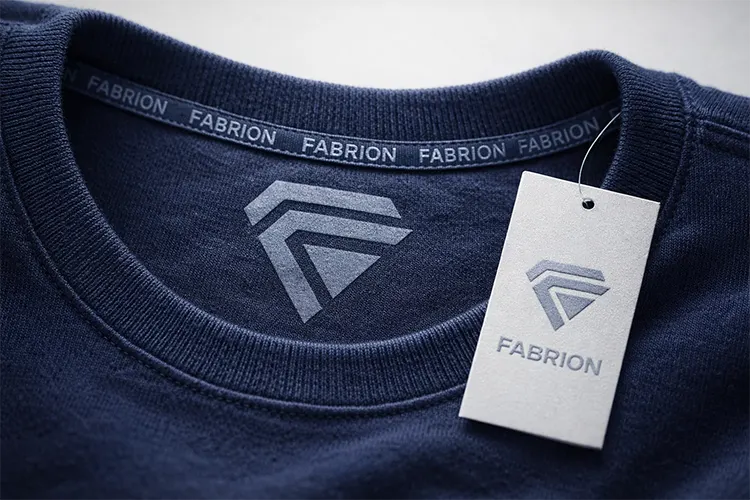
For brands and private label customers, the garment itself is only one part of the finished product. Branding and private labeling help turn a screen printed T-shirt into a finished branded product ready for retail, wholesale, and promotional use.
Based on the order, branding can include main labels, size labels, care labels, printed neck labels, woven brand labels, hangtags, barcode stickers, and custom packaging. These details should be confirmed together with the garment specification so the finished product is packed and delivered according to the buyer’s brand standard.
For private label orders, branding should remain aligned with the approved garment, print details, and packaging requirements. Sizing, label application, and packing consistency all matter for repeat production.
Custom screen printed T-shirts are part of Fabrion’s broader custom T-shirt manufacturing capabilities, including different fabric types, garment styles, printing methods, and private label production options.
Garment construction, fit, and technical details
Screen printed T-shirts are a garment product first, so base construction affects both wear and print appearance. Fit, seam execution, neckline structure, sleeve proportion, and fabric stability all influence how the shirt looks on the body and how the print appears on the finished garment.
Most screen printed T-shirts are produced with short sleeves and a crew neck, with construction and fabric weight planned around the target market and required product standard. Side-seamed T-shirts are often used for a more controlled shape and cleaner retail presentation, while tubular T-shirts may be used for more basic or promotional styles. Fit, measurements, and grading should be approved before bulk production so the same garment standard can be maintained across the full order and future repeat runs.
Screen printing options and print specifications
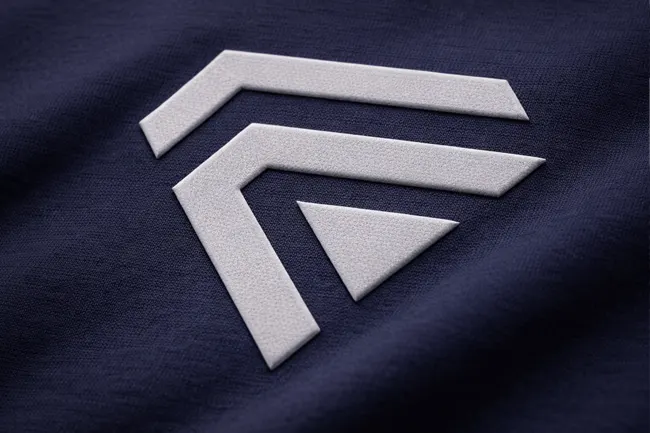
Screen printing is commonly used for logos, bold graphics, text-based artwork, and branding that need clean edges, clear color definition, and consistent results across bulk orders. It is generally most suitable for simpler artwork with up to around 4 or 5 colors, since each color requires its own screen setup and adds to production complexity and setup cost.
Print specifications can vary depending on the shirt base, artwork style, print method, and required finish. Standard screen printed T-shirts may use clean spot-color prints, while other orders can include puff print, metallic inks, neon colors, or other special effects depending on the garment and artwork. Large solid areas, fine details, small text, print placement, and color count should all be reviewed before production to confirm that the design can be printed cleanly, accurately, and consistently on the garment.
Sampling and MOQ
Sampling is used to check the garment, fabric, fit, print quality, and branding direction before bulk production starts. For screen printed T-shirts, a sample helps confirm not only artwork appearance, but also print placement, scale, print feel, and the approved product standard.
For Fabrion, the standard MOQ for screen printed T-shirt production is generally 50 pieces per color per design. Final production planning can still depend on garment type, fabric availability, print complexity, and branding requirements, but this is the usual starting point for structured bulk manufacturing.
Sampling and MOQ are part of production planning, not only pricing. Once the shirt base, print specification, measurement chart, and branding details are approved, bulk production becomes easier to control and repeat on future orders.
Quality control
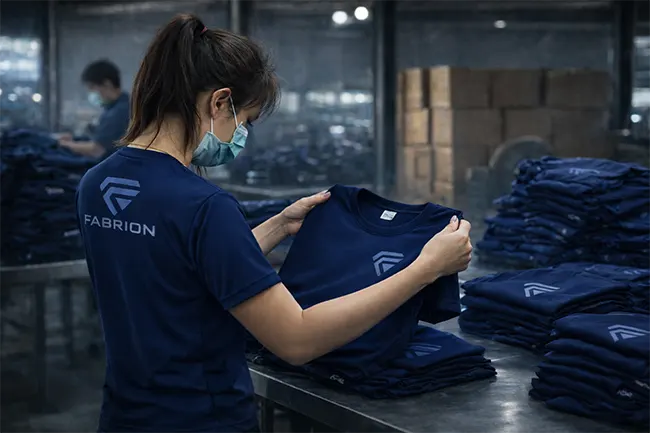
Quality control for custom screen printed T-shirts must cover both the garment and the print. A shirt can look good but still fail the required standard if the sewing, fit, fabric stability, or finishing is inconsistent. In the same way, a well-printed T-shirt can still fall short if the print is uneven, poorly cured, misaligned, or inconsistent across the order.
Quality checks for screen printed T-shirts typically focus on fabric inspection, garment measurements, seam execution, collar shape, body balance, print placement, ink coverage, color consistency, curing, and final visual presentation. Extra attention is needed when the order includes large prints, dark garments, special print effects, or tighter artwork requirements.
The goal is not only to make the first pieces look good, but to maintain the approved product standard across the full production run and on future repeat orders.
Production workflow and communication
Good screen printed T-shirt manufacturing depends on a clear approval flow. The smoothest orders are the ones where garment specifications, measurement charts, print files, branding details, and packaging requirements are confirmed early and kept organized throughout production.
Our workflow is built around structured communication and fixed specifications rather than guesswork during production. This helps reduce avoidable revisions and keeps the product aligned with the approved sample and order details. For overseas buyers, clear communication is especially important because it helps keep production controlled from development through shipment.
Production timelines
Production lead time depends on the order scope. Timing can vary based on whether the order is a new development or a repeat run, as well as fabric availability, print complexity, branding requirements, order quantity, and factory scheduling.
For many standard orders, bulk production takes around 15 days after sample approval, but final lead time is always confirmed based on the exact garment and print requirements. Orders with special print effects, more complex branding, or more involved development work may require additional planning time.
Export packaging and logistics
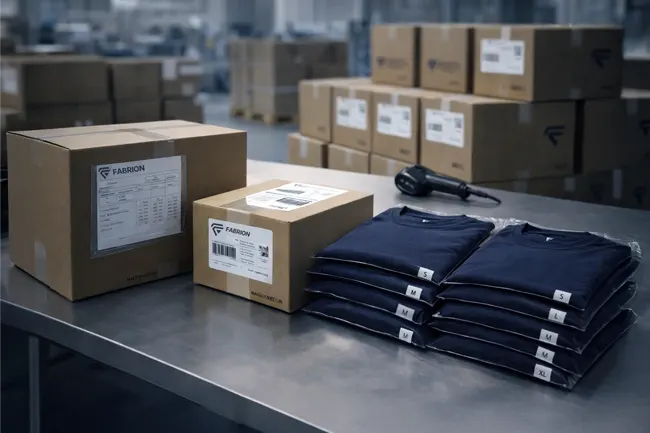
Export packaging should match the product type and the buyer’s sales or distribution model. Based on the order, this can include individual polybags, size stickers, barcode labels, ratio packing, flat carton packing, or other export carton requirements.
For wholesale and branded orders, good packaging structure supports easier receiving, stock handling, and retail preparation after delivery. Carton marking, packing breakdown, and shipment planning should be aligned before dispatch so the finished goods arrive packed correctly and ready for handling.
Screen Printed T-shirt Manufacturing FAQ
Start your manufacturing inquiry
If you are sourcing custom screen printed T-shirt manufacturing, the best starting point is a clear product brief. This usually includes the garment type, fabric direction, target fit, size range, artwork, print placements, branding requirements, order quantity, and delivery destination.
With the right details confirmed early, production becomes faster to evaluate and easier to control. This is especially important for projects that need repeat orders, private labeling, or a consistent product standard across multiple runs.