
Blank Hoodie Manufacturing
Fabrion is a factory-direct manufacturer of blank hoodies based in Thailand, producing blank hoodies for print shops and resellers.
Manufacturing scope and product overview
Blank hoodie manufacturing covers bulk production of plain or minimally branded hoodies intended for printing, embroidery, staff wear, merchandise, and supply to print shops and resellers. Most buyers prioritize stable sizing, reliable fabric behavior, clean construction, and repeatable output across multiple colors and reorder cycles.
At Fabrion, blank hoodie production focuses on controlled specifications for fabric, fit, measurements, and finishing. Blank hoodies can be produced as both pullover and zip hoodie styles, depending on the required construction, branding method, and intended end use.
Materials and fabric options
Blank hoodies are commonly manufactured from cotton, polyester, and cotton-polyester fleece fabrics, with material selection based on warmth, structure, print method, and after-wash stability. Cotton-rich fabrics are often selected for a softer natural hand feel and a more traditional sweatshirt character, while polyester blends can improve shape retention, reduce shrinkage risk, and provide more consistent results across repeat production.
Hoodie fabrics are usually produced in medium to heavy weights, often around 280 to 400 GSM depending on the intended market, climate, and garment look. The main fabric structures used for blank hoodies are brushed fleece and loopback fleece.
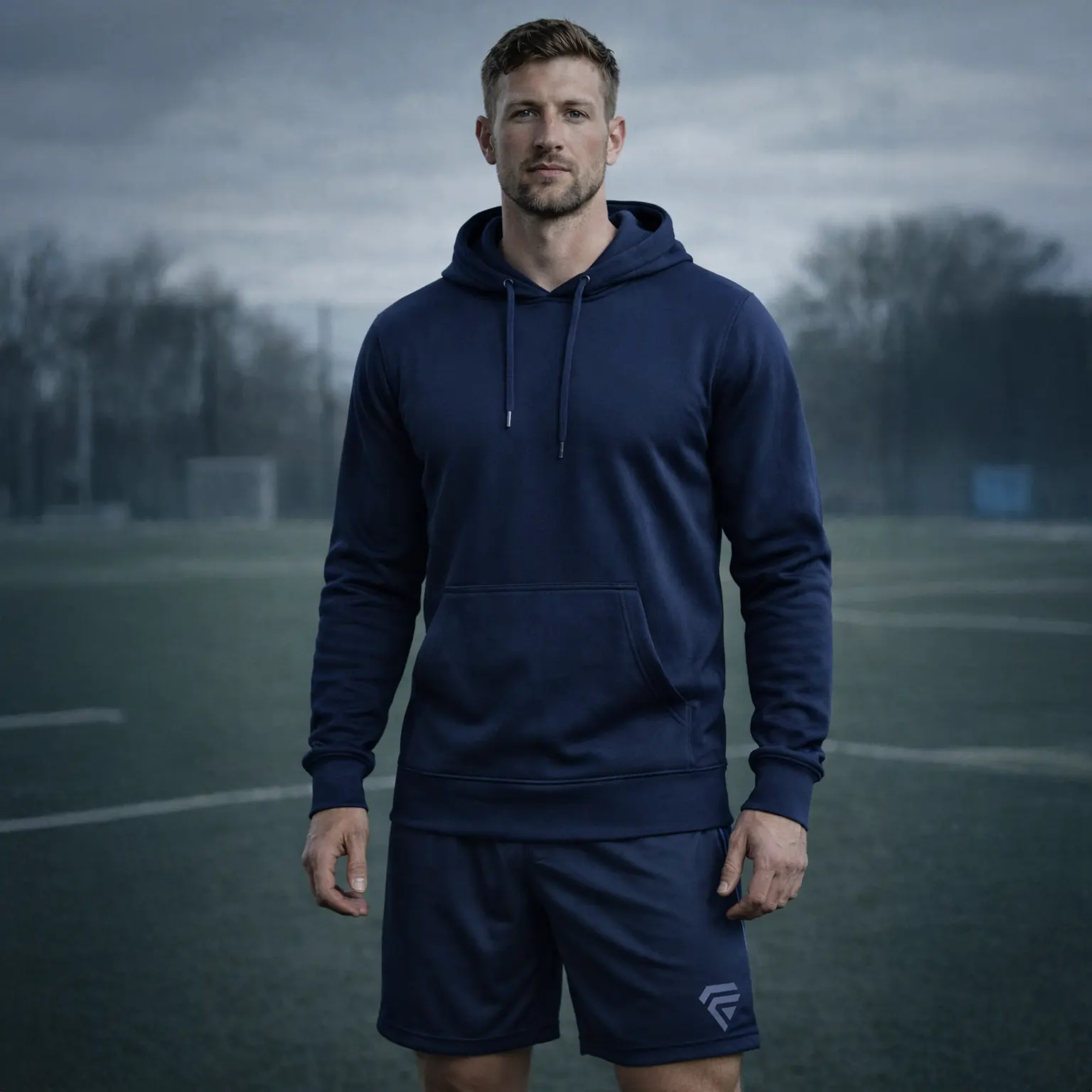
Brushed fleece gives a warmer and softer interior with more bulk, while loopback fleece is lighter, more breathable, and often preferred when the garment needs less insulation. Fabric choice should be matched to the intended use, decoration method, and target price level, since these factors directly affect comfort, surface appearance, printability, and durability over time.
Branding and private labeling
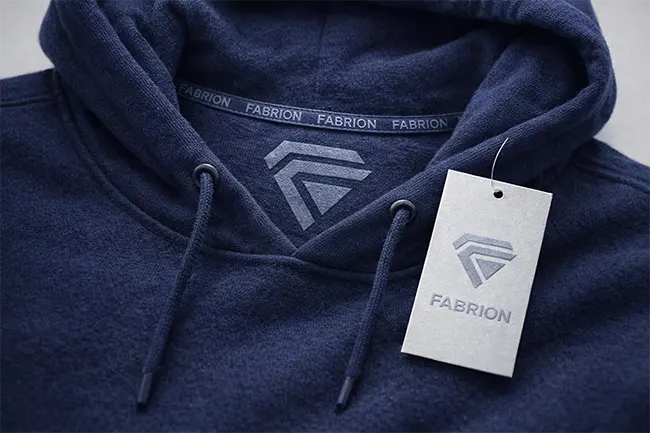
Although the hoodies are produced as blanks, branding and private labeling still play an important role. A blank hoodie can be produced without artwork while still including brand-specific neck labels, size labels, care labels, woven labels, hangtags, and custom packaging depending on the buyer’s requirements. For zip hoodies, private-label options can also include branded zipper pulls or other trim details depending on the product setup.
For private-label blank hoodies, the product remains visually clean while the branding is built into the labels, trims, and packaging. This gives the buyer a consistent hoodie base that still matches their brand and presentation requirements. This is especially important for brands, print shops, and resellers that need a stable unbranded or custom-labeled hoodie for printing, embroidery, and retail presentation.
For buyers who need more than blank hoodie production, Fabrion also offers custom hoodie manufacturing with custom fabrics, sizing, branding, printing, embroidery, and private label development.
Garment construction, fit, and technical details
Blank hoodies are typically produced in pullover or full-zip constructions, with rib cuffs and a rib hem as standard structural components. Construction details such as shoulder shape, sleeve attachment, pocket placement, hood panel shape, drawcord openings, and rib proportion all affect the final look and fit. In bulk production, these points need to remain consistent so the garment keeps the same silhouette across the full size range.
Fit planning usually starts with the intended use and target market. Some buyers want a standard retail fit, while others require oversized, athletic, or workwear-influenced proportions. Measurement control, grading, and approved measurement specifications are important in hoodie manufacturing because fleece garments can react differently to washing, rib recovery, and garment weight. For repeat orders, fit consistency depends on keeping the same pattern, fabric type, rib construction, and measurement tolerances from the approved sample onward.
Sampling and MOQ
Sampling is used to confirm the hoodie’s appearance before bulk production begins. This usually includes fabric selection, fit, measurements, construction details, pocket and hood shape, rib finish, label placement, and overall visual balance. For blank hoodie manufacturing, sampling is especially important when the buyer needs a specific silhouette, fabric weight, or print-ready base garment that must stay consistent across repeat orders.
MOQ depends on the hoodie specification, fabric availability, color requirements, and whether the order uses stocked or custom materials. When the product is developed with fixed fabrics, sizing, and branding details, MOQ is usually determined by production efficiency, material usage, and factory planning rather than garment quantity alone.
Quality control
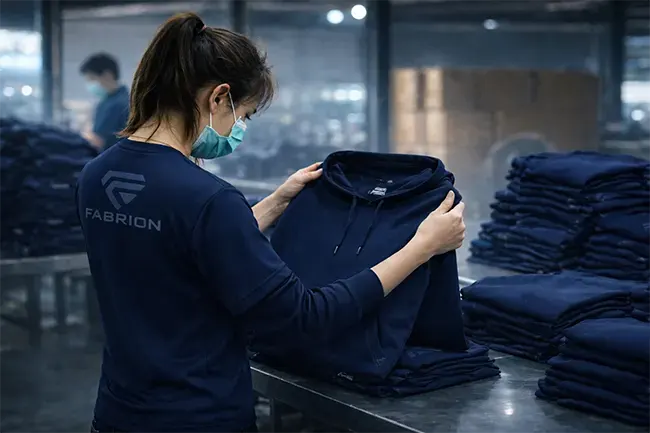
Quality control for blank hoodie manufacturing starts with checking incoming fabric, trims, rib, and labels against the approved specifications before cutting begins. During production, key checkpoints usually include panel accuracy, pocket alignment, hood construction, rib attachment, seam consistency, measurement control, and overall garment balance. These checks are important because fleece garments can show variation in size, shape, and appearance if fabric behavior and sewing execution are not controlled closely.
Final inspection focuses on measurement tolerance, stitching integrity, visual cleanliness, branding accuracy where applicable, and packing consistency against the approved order standards. For repeat production, quality control is essential to keep new bulk runs aligned with earlier approved samples, which is important when buyers need consistent fit, consistent garment shape, and reliable consistency across repeat orders.
Production workflow and communication
Production normally begins with a clear production specification package covering the hoodie style, fabric, GSM, color, size range, measurements, labeling, branding method, and packing requirements. Reference samples, artwork files, measurement charts, and approval comments are used to lock the product specifications before bulk production begins, so the factory works against one confirmed standard rather than multiple changing references.
For repeat orders, production needs to stay aligned with the approved sample and retained specifications from the earlier run. That usually means checking fabric availability, confirming any size or color updates, and matching the new order against the approved garment standard before cutting starts.
Production timelines
Production timelines for blank hoodies depend on fabric availability, hoodie style, branding method, sampling requirements, order quantity, and current factory scheduling. New developments usually take longer than repeat orders because the product must first be reviewed, sampled, evaluated, and approved before bulk production can begin.
Once the hoodie specifications are confirmed and the sample is approved, standard bulk production is generally completed within 15 days. This should be treated as a general lead time reference for standard production rather than a fixed guarantee for every order.
Export packaging and logistics
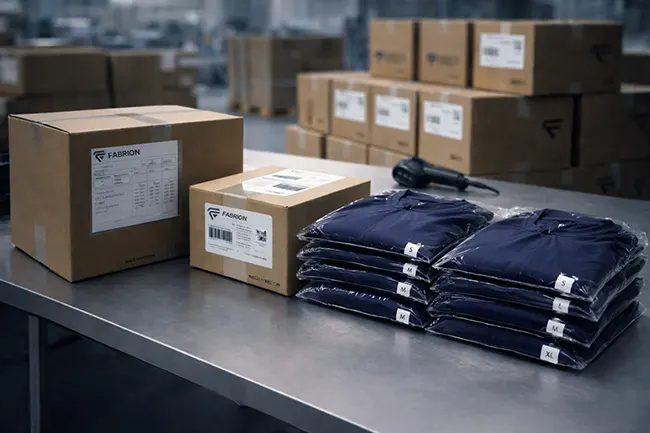
Blank hoodies are prepared for bulk shipment based on the approved order breakdown, with attention to size ratios, color separation, folding method, polybag use where required, carton quantity, and carton markings. Packing control is important for this product because hoodies are heavier and bulkier than many lighter garments, which affects carton planning, shipping volume, and dispatch accuracy.
For export orders, shipment readiness depends on correct labeling, packing list accuracy, carton consistency, and any destination-specific requirements requested by the buyer. Custom-designed packaging, barcode labeling, or brand-specific carton instructions can be added when these details are confirmed before bulk packing begins.
Blank Hoodie Manufacturing FAQ
Start Your Manufacturing Inquiry
To start planning your blank hoodie order, send your required style, fabric type, GSM, color range, size range, quantity, and intended use. Clear specifications at the start help speed up product review, improve sampling accuracy, and keep bulk production aligned from the beginning.